
Arrest Warrants in Cannon County
An arrest warrant is a court order. It can let law enforcement take a person into custody once a complaint clears a probable-cause review. Tennessee Rule of Criminal Procedure 4 governs the warrant or summons issued on a complaint. The signed order and case record control. Cannon County posts no active arrest-warrant roster online. For a county matter, call the issuing court or the Circuit Court Clerk and General Sessions office before anything else. The Sheriff or jail can speak to service and custody status. Anyone holding a notice should talk with a Tennessee attorney before deciding how to appear. The clerk, not a web search, is who confirms what exists.
Cannon County Complaint and Warrant Steps
Rule 4 begins with a complaint or affidavit. An authorized judicial officer then reviews the showing. From there the court may issue an arrest warrant or a summons, depending on the legal basis and the case. Cannon County's public pages name no warrant-magistrate roster, and the online portal does not promise that every process appears there.
- A complaint or affidavit is submitted through the lawful process.
- A judge or magistrate reviews the request under Tennessee rules.
- The court records a process tied to a case, charge, and any appearance or bond terms.
- An authorized agency may receive and serve the process.
- The court later records a return, recall, disposition, or other order.
The public portal may show only part of this chain. Ask the Cannon County clerk which entry is public, and the sheriff what it can confirm.
What a Cannon County Arrest Warrant Contains
A process record can name its court and charge. The public view may be limited, though. Ask the Cannon County clerk for any public warrant entry, a disclosable affidavit, the court order, the service return, and later docket action. No item is promised online.
| Case or process number | Links the warrant to a court case; a sample case format is 99GS1-2023-CR-12345. |
|---|---|
| Issuing court | General Sessions, Circuit Criminal, Juvenile, or Woodbury Municipal may be involved. |
| Complaint or charge | May identify an offense, statute, classification, or complaint reference. |
| Bond terms | May show a type, amount, or no-bond condition when ordered. |
| Service and return | Ask whether an agency recorded service, custody, return, recall, or quash action. |
Juvenile, sealed, and investigative details can be restricted from public view. The Cannon County clerk can say what applies.
Cannon County Clerk and Sheriff Roles
The clerk keeps court filings and public docket information. The Sheriff keeps separate service and custody information. So the question matters: asking whether a case exists is not the same as asking whether a process has reached the sheriff. Ask the right office first. Cannon County's Circuit Court Clerk page links the portal and dockets, and the Sheriff's Office page gives the non-emergency route. The General Sessions page explains that court's limited role.
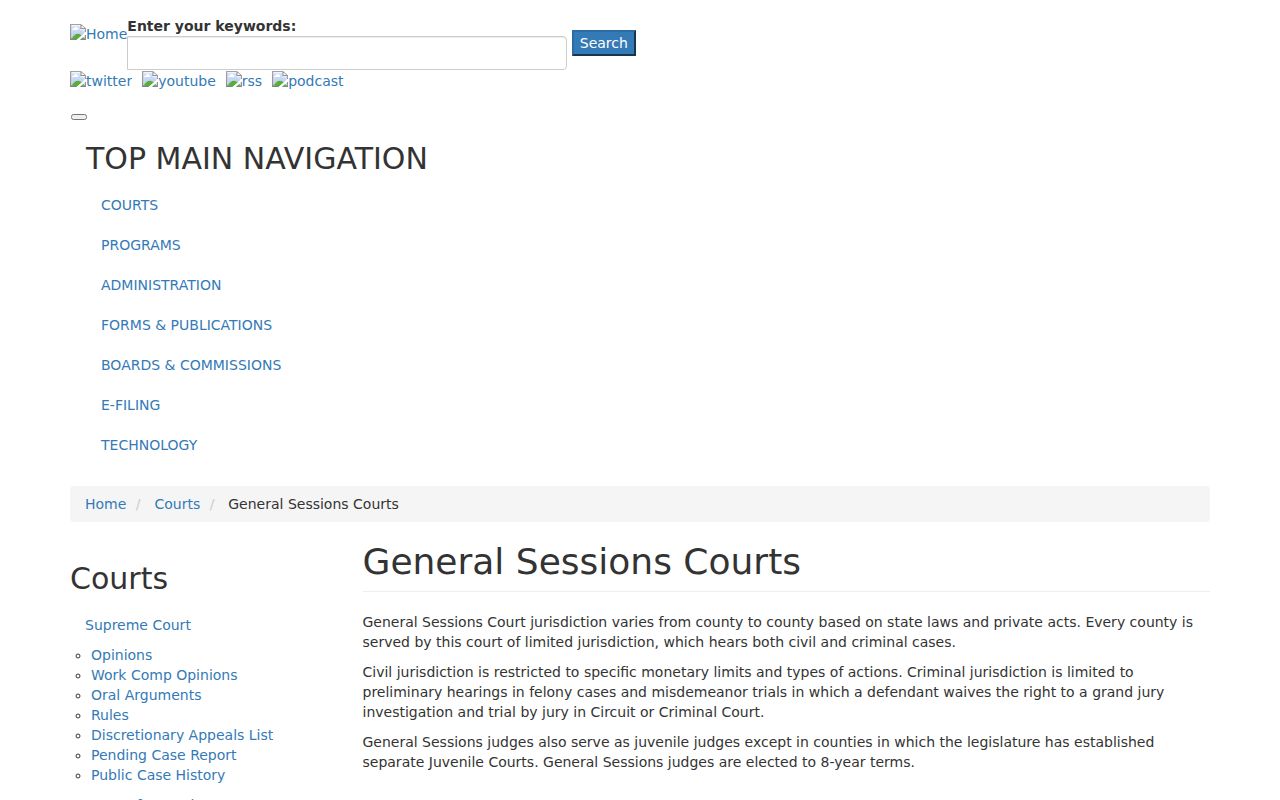
Use the court that issued the process, then confirm service with the law-enforcement office.
How Cannon County Arrest Warrants Are Served
No single agency serves every local process. The Cannon County sheriff is the practical call for county custody questions. Woodbury Police sits at 965 West Main Street, 615-563-5940. Another authorized Tennessee agency may serve a process, depending on where it started. Federal warrants run separately and may involve the U.S. Marshals Service. Cannon County publishes no service map, warrant-unit extension, surrender hours, or booking timeline. Ask before you travel. Find out which office holds the process, where to report, whether counsel should arrange the appearance, and what bond order applies. A general court calendar is not a walk-in warrant setting.
Cannon County Arrest Warrant vs Summons
A Rule 4 summons orders a person to appear without the immediate-custody step of an arrest warrant. A bench warrant usually follows a missed appearance or a broken court order. A search warrant targets property or evidence instead. Read the label on the actual order. These terms are not interchangeable in Cannon County.
| Process | Usual question | Cannon route |
|---|---|---|
| Arrest warrant | Was a court process issued and served? | Issuing clerk and Sheriff/Jail |
| Summons | What date and court require an appearance? | Clerk for the case and docket |
| Bench warrant or capias | What happened after a missed court duty? | Court that set the date |
| Search warrant | What property or evidence is named? | Rule 41 and applicable statute |
Tennessee search-warrant law is separate from arrest-warrant procedure.
Cannon County Search Warrants Are Different
The Tennessee AOC handout summarizes TCA §§40-6-103 through 40-6-107 and Rule 41 for searches of property or evidence. It covers the affidavit, probable cause, issuance, execution, and return. It does not describe an arrest warrant, and that procedure should not be used to explain one. A search warrant also carries its own return and access rules. Use the official rules to sort categories. Ask the Cannon County clerk about the specific case record.
Cannon County Service by Court Layer
General Sessions is the likely route for many county misdemeanor, traffic, and preliminary criminal matters. Circuit Criminal handles cases assigned to that court, including indictment-related process. Woodbury Municipal Court takes local ordinance and traffic matters. Juvenile and Chancery records follow separate access rules. The issuing court identifies the file. The serving agency confirms its own action. The Woodbury municipal-court page describes a jurisdiction different from the county trial courts.
A city matter may not surface in a Cannon County search, so ask the city clerk which record is available.
What to Do About a Cannon County Arrest Warrant
Talk to counsel or the issuing clerk first. A voluntary appearance, bond, motion, or judicial review may be arrangeable. Cannon County publishes no surrender form, and a visit to a counter does not guarantee you avoid custody. The Sheriff and jail sit at 110 Alexander Drive. The courthouse clerk is at 200 West Main. Those are two separate destinations.
Important: Speak with an attorney and confirm where to report before going to the courthouse or jail; local walk-in and bond procedures are not published.
Ask what ID and papers are needed. Ask whether a bond is set, and what order or receipt proves the next Cannon County step. Bond or release does not end the case.
Cannon County Arrest Warrant Record Requests
A records request works best when it names the court, the case number, the date range, and the exact item you want: a warrant entry, a service return, an FTA event, a bond order, or the disposition of the case. Be specific. Tennessee's TPRA guidance backs requests for records that already exist. No office has to build a new countywide spreadsheet for you. A juvenile or sealed file in Cannon County can be withheld or redacted, and the Comptroller FAQ walks through request methods.
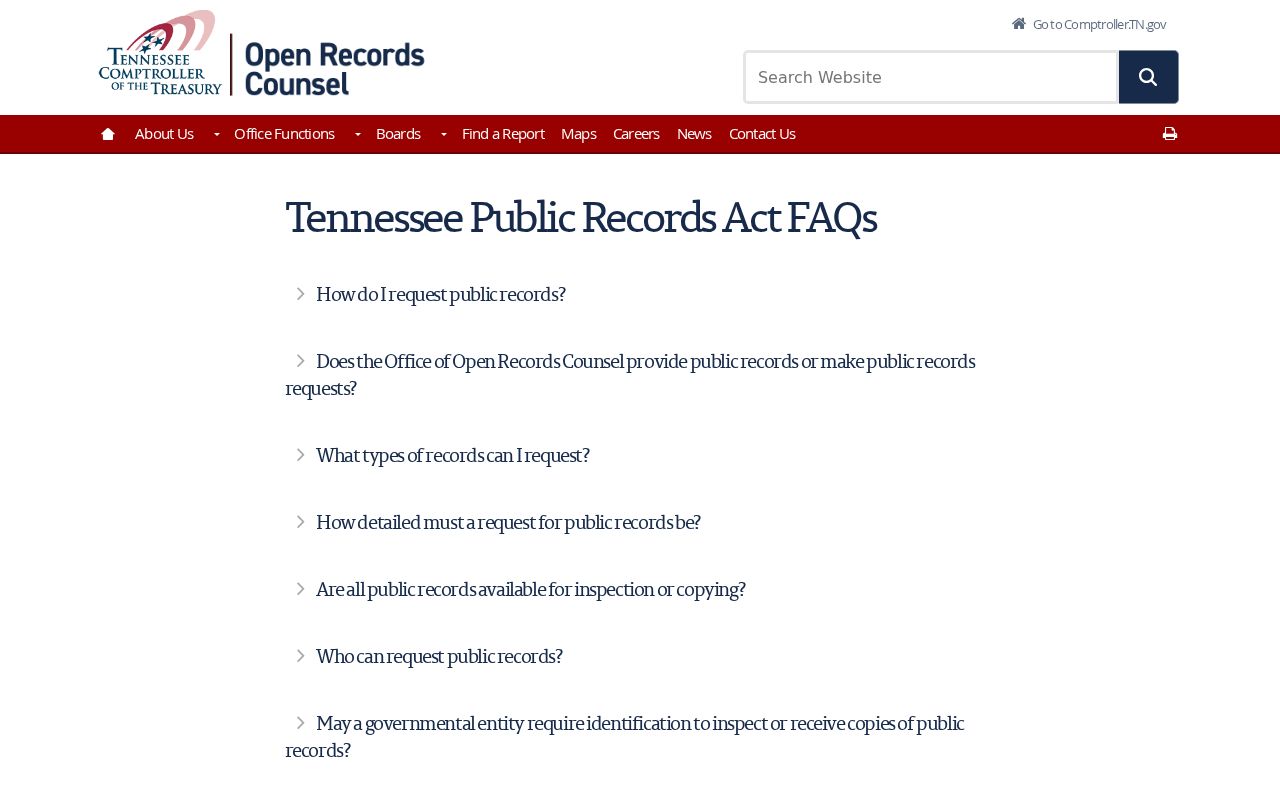
Ask the Cannon County office for a fee estimate up front. If access is denied, request the legal basis and a redacted entry.
Cannon County Arrest Status Is Not a Conviction
Keep your inquiry private. Go through official court or law-enforcement contacts, since a third-party arrest feed, a name match, a TBI criminal-history search, or an empty docket cannot tell you whether a Cannon County process is current. For an out-of-county or federal issue, the issuing jurisdiction is the right call. The Cannon County records overview maps the county, city, and state office routes for other process questions.